How to Buy Original Art Online Without Getting Scammed (Beginner’s Guide)
Picture this: you finally found the perfect sofa, the rug is down, the lighting is warm…, but the wall above the sofa is still blank. The room works, but it doesn’t feel finished. It doesn’t feel like you.
You start browsing online, and suddenly you’re drowning in giclée prints, “hand-embellished canvases,” and “original oil paintings” that all look similar on your screen. Some are $49, some are $900. How are you supposed to know what’s real, what’s worth it, and what will actually look intentional in your home?
This guide is here to simplify how to buy original art online without getting scammed and help you choose pieces that feel high-end in your home without needing an art degree or a huge budget.
Why Buying Original Art Online Is Easier Than You Think
You Don’t Need an Art Degree—Just a Mood for Your Home
You don’t need to know art history to choose art you’ll love. What you do need is a simple question: “How do I want this room to feel?”
- Cozy and cocoon-like?
- Calm and spa-like?
- Energizing and social?
- Minimal and airy?
Imagine walking into your bedroom and instantly feeling your shoulders drop, or stepping into your home office and feeling focused instead of scattered. Art is one of the easiest ways to set that mood.
When you start from feeling instead of jargon, buying original art online becomes much less intimidating and a lot more fun.
What “Original Art” Really Means for Your Home and Walls
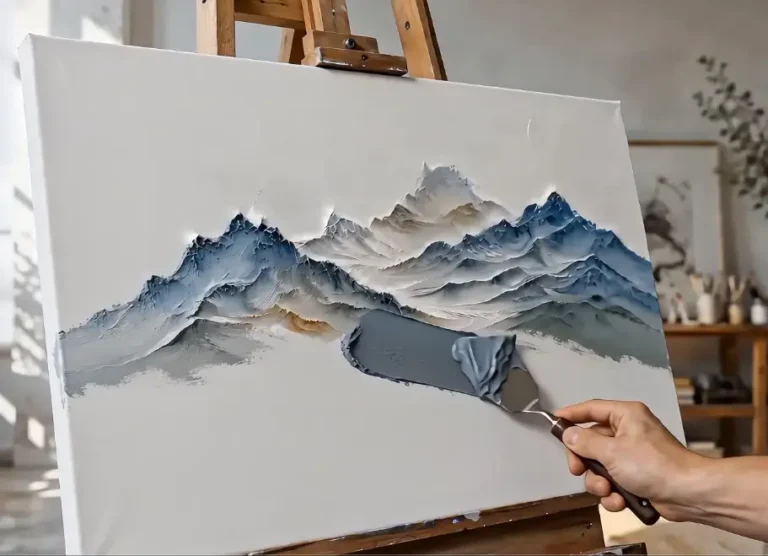
“Original art” means the artist physically created that piece with their own hands, usually with paint on canvas, wood panel, or paper. There’s only one of them.
For your home, that means:
- Uniqueness: No one else will have that exact piece.
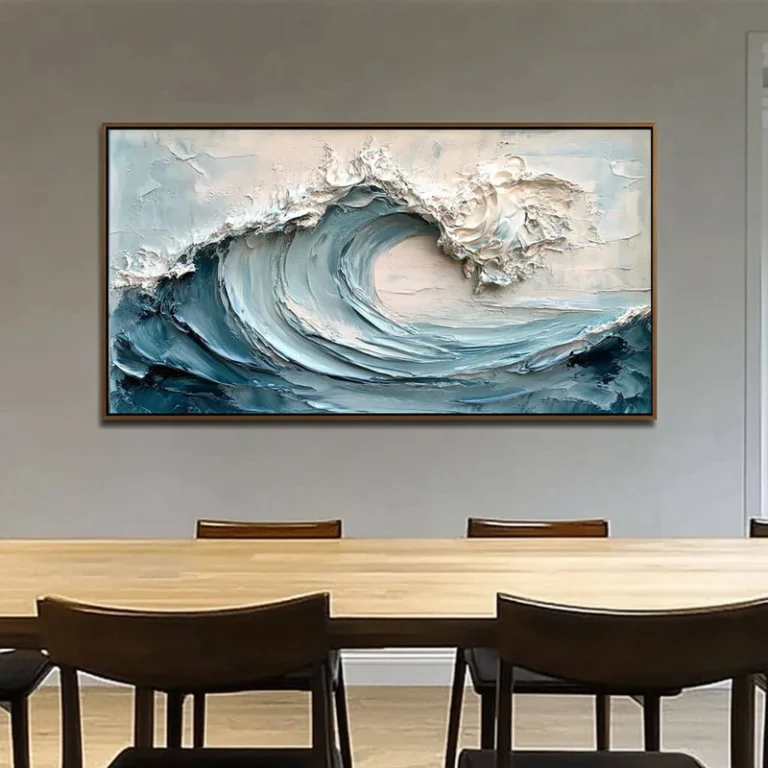
- Texture:Hand-painted oil paintings have real depth, brushstrokes you can see and sometimes even feel.
- Presence: Originals tend to make a room feel more “finished” and high-end than flat prints.
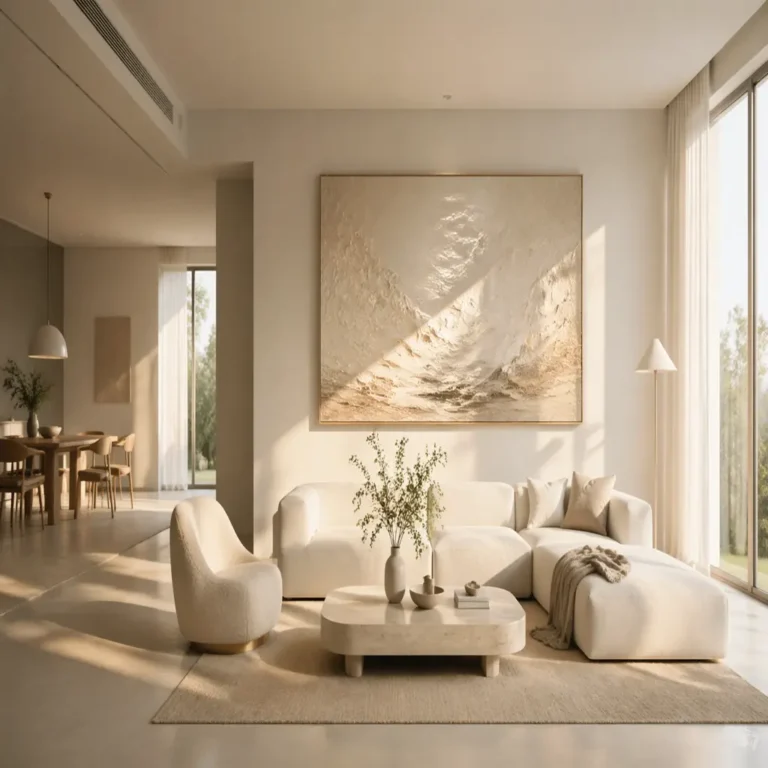
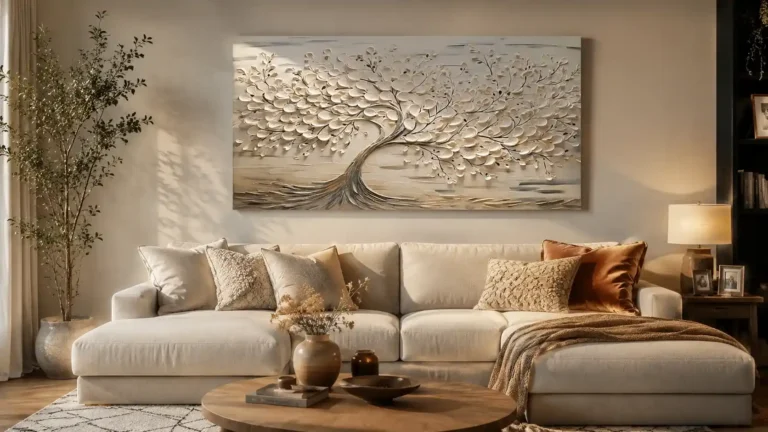
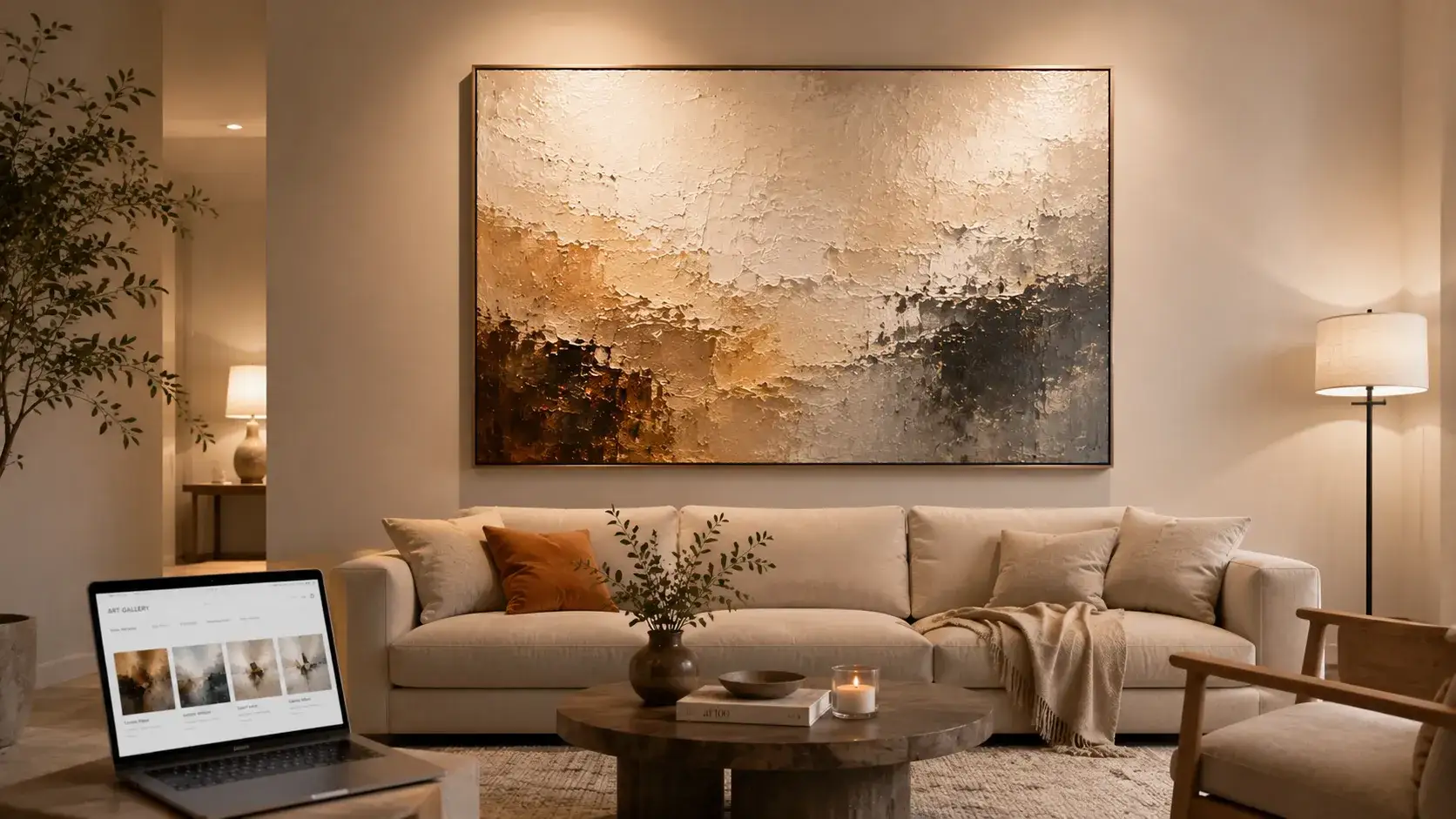
Picture a hand-painted textured abstract above your sofa: the light hits the raised paint and creates gentle shadows. It feels alive in a way a flat poster can’t.
Buying online offers convenience and choice, as long as you know what you’re really getting.
How to Know What You’re Really Buying (Original vs Print + Easy Authenticity Checks)
Original Hand-Painted Art vs Canvas & Giclée Prints: A Simple Breakdown
Here’s the simple breakdown:
Original hand-painted artwork
- Created by an artist directly on the surface.
- Each one is unique, with visible brushstrokes and texture.
Canvas or paper prints
- A photo or scan of the original is printed onto canvas or paper.
- No real brushstroke texture, usually cheaper.
Giclée prints
- A fancy term for high-quality inkjet prints.
- Colors can be rich, but they’re still not painted.
Prints are not “bad”—they’re just different. For hallway gallery walls or kids’ rooms, prints can be fine. But if you’re paying original art prices, you want a truly hand-painted piece, like the texture art and abstract art in our collections.
Texture and Brushstrokes: How to Spot Real Paint in Photos
When you look at online images, don’t just glance at the main photo. Look for:
- Close-up shots that show uneven, organic strokes instead of a perfectly flat surface.
- Side or angled photos where the texture creates small shadows and highlights.
- Small variations and imperfectionsin hand-painted art shouldn’t look airbrushed.
If every photo looks flat, like a poster, and there are no close-ups or angled shots, it’s likely a print.
How to Read Art Descriptions Online Without Getting Tricked
Descriptions can either clarify or confuse. Here’s what to look for.
Good signs:
- “Original hand-painted oil on canvas”
- “100% hand-painted”
- “One-of-a-kind”
Words that usually mean it’s a print:
- “Print of an original painting”
- “Giclée print”
- “Fine art print”
- “High-resolution reproduction”
- “Printed canvas”
- “Hand-embellished print” (mostly a print with a bit of paint on top)
If it doesn’t clearly say “original” and state the medium (like “oil on canvas”), assume it’s not truly hand-painted.
If you’re unsure, ask the seller:
- “Is this fully hand-painted, or is it a print with embellishment?”
- “What medium is used, and is each piece unique?”If the answers are vague, move on.
Key Questions to Ask Art Sellers Before You Buy Online
Don’t be shy about asking. A trustworthy seller will happily clarify. You can copy and paste questions like:
- “Is this artwork fully hand-painted, or is it a print or print with embellishment?”
- “What medium is used? Is it oil or acrylic on canvas?”
- “Is each piece unique, or are multiple copies made?”
- “Can you share a close-up or angled photo of the texture?”
If responses are vague or evasive, that’s your sign to move on.
How to Avoid Online Art Scams and Find Trustworthy Sellers
Signs You Can Trust an Online Art Gallery or Shop
A credible online gallery will feel transparent, not mysterious. Look for:
- Detailed product pages: Clear info about size, medium, and whether it’s original.
- Multiple real photos: Close-ups, side angles, maybe simple room mockups.
- Visible Contact info: Email, chat, or phone.
- Curated collections by style: Texture Art, Modern Minimalist Art, Colorful Art, Abstract Art, Wabi Sabi Art, Custom Art, not thousands of random listings.
A style-driven curator has already filtered for you, offering only original hand-painted oil paintings organized in ways that make sense for real homes.
Red Flags: Prices, Photos, and “Too Good to Be True” Art Deals
Be cautious if you see:
Prices that feel unrealistically low for “original oil paintings.”
- A huge “original oil on canvas” for $29 is almost certainly not what it claims to be.
Only one generic photo, no close-ups.
- Scammy sites often use stolen or stock images.
Extremely vague descriptions.
- If it just says “canvas art” or “wall décor” with no mention of original vs print, medium, or artist, that’s a concern.
A huge catalog with the same style repeated hundreds of times.
- Many “factory painting” operations mass-produce works that are technically painted but not truly unique or artist-created.
Trust your instincts: if something feels off, it usually is.
Return Policies, Shipping, and Reviews That Keep You Safe
Before you buy, check:
Return policy
- Can you return the artwork if it arrives damaged or not as described?
- How many days do you have?
Shipping details
- Is the artwork packed securely?
- Are shipping costs clear?
Reviews and testimonials
- Look for specific comments about quality, texture, and how the art looks in real homes.
- Check photos from customers when possible.
A legit gallery selling hand-painted oil paintings will be upfront about all of this; it’s part of building trust with people who can’t see the piece in person yet.
Choosing Art That Actually Works in Your Space (Mood, Style, Size)
Start With Mood: Calm Bedrooms, Energizing Living Rooms, Focused Offices
Instead of starting with “What’s trendy?” start with “How do I want this room to feel?”
Living room: Often a social, energetic space
- Colorful abstract art or bold texture art can make this room feel lively and welcoming.
- A famous oil painting reproduction, recreated as a hand-painted piece, can add sophistication and be a great conversation starter.
Bedroom: Your retreat
- Wabi Sabi art, soft abstract art, and modern minimalist art in gentle tones help create a sense of calm.
- Think soft neutrals, layered textures, nothing too loud or chaotic.
Home office: You want focus and clarity.
- Modern minimalist art or structured abstract art in a limited palette can feel clean and inspiring, not distracting.
Dining area: A place for connection.
- Colorful art can bring warmth and energy; a textured neutral piece can make the space feel upscale and intimate.
Once you name the mood, the style choices get much easier.
Color Basics: How to Match Art With Your Furniture and Walls
You don’t need a designer, just a few simple guidelines:
- Pick 2–3 main colors in your room (sofa, rug, curtains).
- In your artwork, repeat at least one of those colors and add 1–2 accent colors.
Examples:
Gray sofa, white walls, navy cushions?
Try a modern minimalist art piece in soft grays and whites, with a touch of navy.
Beige sofa, jute rug, wood furniture?
Wabi Sabi art or neutral texture art in warm beiges, whites, and browns will feel seamless and serene.
Neutral room, but you want a pop?
A colorful abstract art piece above the sofa, in a color that matches your cushions, paired with a couple of bold accents, can make the space feel designed, not random.
If you’re unsure, lean toward slightly softer, muted tones; they’re easier to live with long-term than extremely high-saturation colors.
Art Size and Placement Made Easy (Over the Sofa, Bed, and Console)
The number one styling mistake: art that’s too small.
A few easy rules:
Over a sofa or bed
- Aim for artwork that’s about 60–80% of the furniture width.
- Example: 80″ sofa → art between ~ 48–64″ wide (one large piece or a grouping).
Height
- The center of the artwork should be around 57–60 inches from the floor (eye level for most people).
Above a console or sideboard
- The art should be slightly narrower than the furniture and sit 6–10 inches above it.
Picture a large textured abstract piece spanning most of your sofa’s width: it instantly makes the room feel intentional and balanced. Compare that to a tiny frame floating alone on a big wall it makes everything feel a bit off.
When in doubt, go slightly larger rather than smaller. One strong piece of hand-painted art often looks more refined than lots of tiny pieces.
Meet the Main Art Styles: Texture, Minimalist, Colorful, Abstract, Wabi Sabi, Custom
Texture Art – When Your Room Needs Depth and a Strong Focal Point
Texture art uses thick layers of paint, often oil, to create a sculptural surface. Light plays across the ridges and peaks.
Best for:
- Over the sofa or bed as a main focal point
- Entryways where you want a strong first impression
- Spaces that feel flat or “too simple” and need depth
In our texture art collection, you’ll see pieces that can make a simple neutral room feel like a boutique hotel rich, layered, and intentional.
Modern Minimalist Art – For Calm, Clean, and Airy Rooms
Modern minimalist art keeps things simple: clean lines, limited color palettes, and lots of breathing room.
Best for:
- Bedrooms where you want calm and clarity
- Home offices where you don’t want visual clutter
- Modern living rooms with streamlined furniture
Imagine a large black-and-ivory minimalist piece above a low-profile sofa: it echoes the clean lines of your furniture and keeps the space feeling open.
Colorful & Abstract Art – For Bold Living Rooms, Dining Rooms, and Creative Offices
Colorful art and abstract art are your go-tos when you want energy and personality.
Best for:
- Living rooms where you entertain
- Dining rooms that need warmth and conversation
- Creative studios or home offices where you want inspiration
Think of a vibrant abstract with blues, corals, and golds anchoring your living room wall. It becomes the “hero” of the room, and you can pull accent colors for cushions and accessories from the painting.
Wabi Sabi Art – For Grounded Corners and Serene Bedrooms
Wabi Sabi art is all about embracing imperfection and natural, weathered beauty. These pieces often feature earthy tones, simple forms, and gentle textures.
Best for:
- Bedrooms, especially above the bed
- Reading nooks, meditation corners, or calm sitting areas
- Any room where you want a grounded, peaceful vibe
Picture a large Wabi Sabi-inspired neutral piece above a linen-covered bed: soft, organic forms and muted tones that make the whole room feel like a quiet retreat.
Custom Art – For Just-Right Size, Colors, or a Painting From a Photo
Sometimes you have a very specific need:
- A huge wall that standard sizes don’t fit
- A tricky color palette (like a unique rug you want to match)
- A meaningful photo you’d love reimagined as a painting
That’s where Custom Art comes in. With custom hand-painted oil paintings, you can:
- Choose the size to perfectly fit your wall
- Adjust colors to harmonize with your furniture
- Turn a favorite landscape, city view, or family photo into an atmospheric painting
If you’re stuck between three “almost right” pieces, a custom commission can get you the exactly right one.
Smart Buying Roadmap: How to Buy Original Art Online Safely
Step 1: Define Your Room, Mood, and Ideal Art Size
Before you even open a tab:
- Decide which room you’re shopping for.
- Name the mood you want (calm, energetic, cozy, elevated, etc.).
- Measure your wall and main furniture piece (sofa, bed, console) and note a target art width (usually 60–80% of the furniture width).
Example: “Living room, cozy but modern, art around 55 inches wide above a 72-inch sofa.” This alone will make browsing much less overwhelming.
Step 2: Pick 1–2 Art Styles (Texture, Minimalist, Colorful, Abstract, Wabi Sabi, Custom)
Next, choose one or two style “families” that match your mood:
- Calm bedroom → Wabi Sabi, soft Abstract, Modern Minimalist
- Energizing living room → Colorful Art, Abstract Art, bold Texture Art
- Clean office → Modern Minimalist Art, structured Abstract Art
- Large tricky wall or specific colors → consider Custom Art
In our collections, you can browse by Texture Art, Modern Minimalist Art, Colorful Art, Abstract Art, Wabi Sabi Art, Custom Art, or even famous oil painting inspired works, so you’re not scrolling through everything at once.
Step 3: Shortlist Art and Vet the Seller With a Simple Checklist
Once you find pieces you like, shortlist a few and run through this quick checklist:
- Does the listing clearly state “original” and specify whether it’s oil or acrylic on canvas?
- Are there close-up and angled photos showing brushstrokes and texture?
- Is the size appropriate for your wall (roughly 60–80% of furniture width)?
- Does the color palette harmonize with your room?
- Is the seller’s website clear about who they are, how they ship, and their return policy?
If everything checks out, you’re in good shape.
Step 4: Final Check Before Checkout – Authenticity, Fit, and Comfort
Before you click “buy,” quickly confirm:
- Authenticity: If anything is still unclear, ask, “Is this fully hand-painted? Is it an original?”
- Fit: Double-check the measurements against your wall and furniture.
- Color: If you’re worried, compare it to your room photos or hold your phone up to the wall.
- Policy: Make sure you’re comfortable with the return and damage policy.
If you feel confident in these points, you’re ready to bring that piece home.
Conclusion: You Can Buy Original Art Online With Confidence
You don’t have to be an art expert to curate a beautiful, atmospheric home. You just need a few basics: know what you’re really buying, spot trustworthy sellers, and choose pieces based on how you want your rooms to feel.
From a calm, Wabi Sabi-inspired bedroom to a bold, colorful abstract in your living room, hand-painted oil paintings add depth, texture, and personality that simple prints rarely match. Even one well-chosen original above your sofa or bed can instantly make your space feel more designed and “grown up.”
As you shop, keep this guide as your checklist:
- Start with room + mood.
- Choose 1–2 style families (Texture, Minimalist, Colorful, Abstract, Wabi Sabi, or Custom).
- Confirm authenticity, size, and seller trust.
When you’re ready, explore hand-painted options instead of defaulting to mass prints. Browse curated collections by style, texture art for depth, modern minimalist art for calm, colorful art and abstract art for energy, Wabi Sabi art for serenity, or custom art if you need a just-right size or a painting from a favorite photo.
Your walls don’t have to stay blank or filled with generic décor. With a little knowledge and a style-first mindset, you can confidently curate original art that tells your story every time you walk into the room.
FAQ: How to Buy Original Art Online
Q1: How do I know if a painting online is really original and not a print?
Check the description for phrases like “original hand-painted oil on canvas,” look for close-up and angled photos showing texture and brushstrokes, and don’t hesitate to ask the seller directly.
Q2: Are hand-painted oil paintings worth the higher price compared to prints?
Yes, if you want a unique, textured piece that adds presence to a room. Originals usually feel richer and more “finished” in a space than flat prints, especially in main rooms like the living room or bedroom.
Q3: What size artwork should I buy for above my sofa or bed?
Aim for a piece that’s about 60–80% of the furniture width, and hang it so the center is around 57–60 inches from the floor to keep it at eye level.
Q4: Which art style works best for a calm bedroom?
Choose Wabi Sabi art, soft abstract art, or modern minimalist art in neutral or muted tones for a gentle, calming atmosphere.
Q5: Can I get a custom painting if I have a specific size or photo in mind?
Yes, custom art is ideal when you need a specific size or color palette, or when you want a meaningful photo transformed into a hand-painted oil painting tailored to your space.