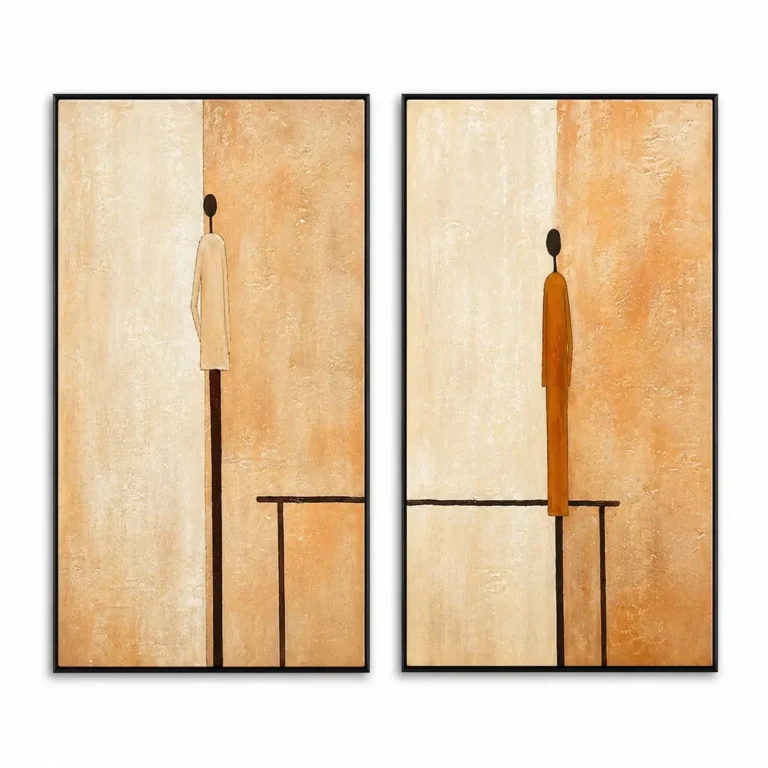
How to Choose Large Textured Wall Art for Your Living Room
Large textured wall art can completely transform a living room by adding depth, dimension, and a luxurious focal point. Whether you are decorating a modern minimalist home or a warm contemporary space, choosing the right large textured wall art for your living room helps create balance, sophistication, and a personalized atmosphere. From selecting the ideal size to matching colors and textures, this guide will walk you through everything you need to know.
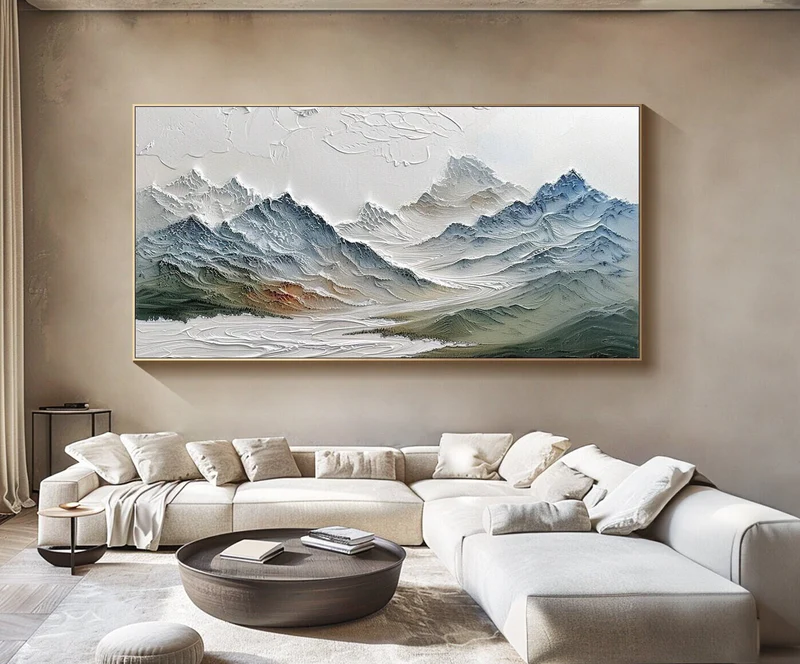
What Is Large Textured Wall Art?
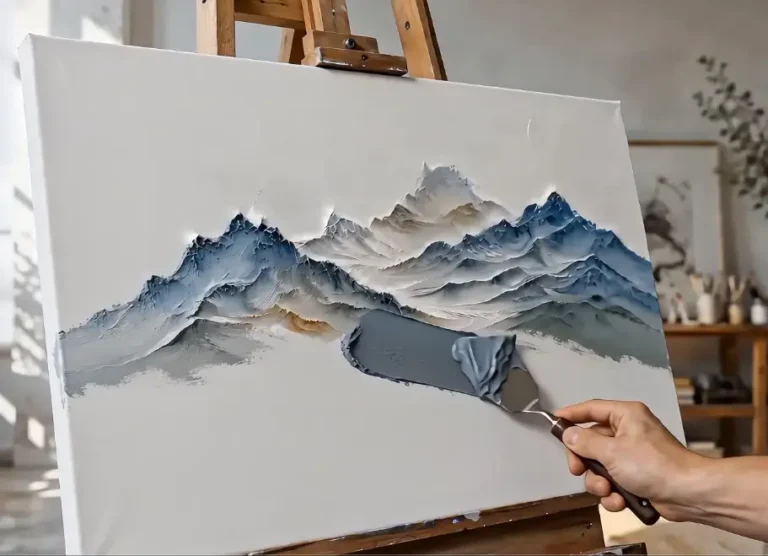
Large textured wall art refers to oversized artwork that includes raised surfaces, layered materials, and visible brushwork. Unlike flat prints, textured paintings provide a tactile, three-dimensional appearance that catches light and creates movement.
Common Types of Textured Wall Art
Hand-Painted Oil Paintings
Original works featuring thick brushstrokes and sculptural textures.
Mixed Media Canvas Art
Combines acrylic, plaster, modeling paste, and natural materials.
Minimalist Textured Art
Neutral-toned compositions with subtle relief patterns.
Abstract Textured Paintings
Modern artworks emphasizing emotion, movement, and organic forms.
Two Common Questions Buyers Ask
1. What Size Wall Art Should I Choose for My Living Room?
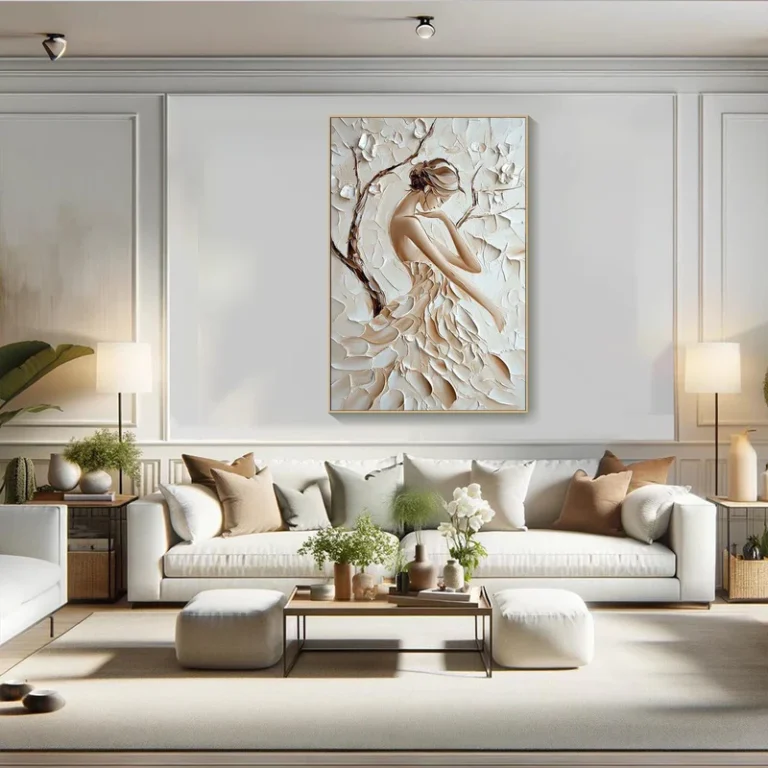
A good rule is to select artwork that covers approximately 60–75% of the width of the furniture beneath it.
- Sofa width: 90 inches
- Recommended art width: 54–68 inches
Popular sizes include:
- 48 x 72 inches
- 60 x 80 inches
- 72 x 96 inches
2. Are Original Textured Paintings Better Than Prints?
Yes. Original textured paintings offer:
- Authentic hand-crafted detail
- Unique surface depth
- Higher decorative value
- Long-term collectibility
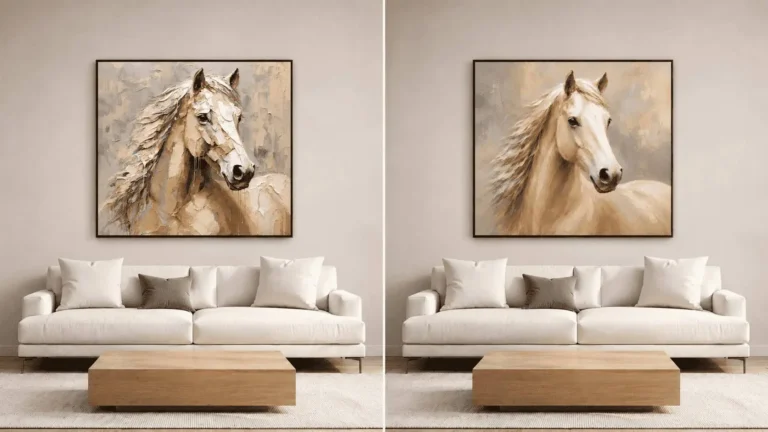
Prints may mimic texture visually but cannot replicate the true dimensional effect of hand-applied materials.
Benefits of Choosing Large Textured Wall Art
Creates a Stunning Focal Point
Oversized art naturally draws attention and anchors the room.
Adds Depth and Dimension
Textured surfaces interact with natural and artificial light.
Enhances Luxury and Sophistication
Handmade artwork conveys exclusivity and craftsmanship.
Complements Modern Interiors
Neutral textured paintings fit beautifully with minimalist and contemporary décor.
Reflects Your Personal Style
Each original painting is unique and tailored to your aesthetic preferences.
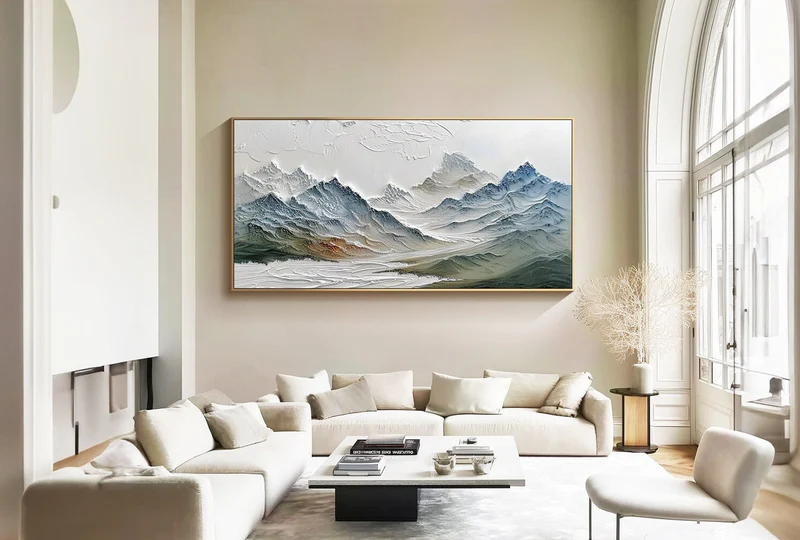
Step-by-Step Guide to Choosing the Perfect Artwork
Step 1: Measure Your Wall Space
Measure the width of the wall and the furniture beneath it.
Example:
- Sofa width: 100 inches
- Ideal artwork width: 60–75 inches
Leave 6–12 inches of space on each side.
Step 2: Decide on Orientation
Horizontal Art
Best for above sofas, beds, and sideboards.
Vertical Art
Ideal for narrow walls and corners.
Diptych or Triptych
Multiple panels create a gallery-style appearance.
Step 3: Match Your Color Palette
Choose artwork that complements your room’s existing colors.
Warm Neutral Rooms
- Ivory
- Beige
- Sand
- Taupe
Modern Monochrome Interiors
- White
- Black
- Gray
Earthy Organic Spaces
- Clay
- Olive
- Terracotta
Step 4: Select a Texture Style
Heavy Impasto
Bold and dramatic raised surfaces.
Subtle Plaster Texture
Elegant and understated.
Sculptural Relief
Highly dimensional, architectural appearance.
Step 5: Consider the Mood
Different compositions create different emotional effects.
- Soft curves → Calm and relaxing
- Bold lines → Energetic and contemporary
- Layered neutrals → Warm and sophisticated
Step 6: Evaluate Lighting
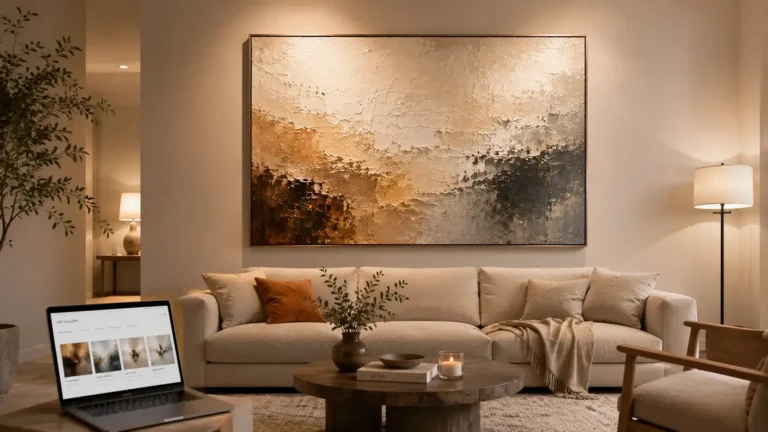
Textured art looks best when illuminated from the side or above, allowing shadows to emphasize the raised details.
Step 7: Choose Original or Custom Artwork
Custom paintings allow you to specify:
- Exact dimensions
- Color palette
- Texture intensity
- Orientation
This ensures a perfect match for your living room.
Real-World Results
Result 1: Minimalist Living Room Transformation
A client added a 60 x 80 inch ivory textured painting above a beige sofa. The room immediately felt larger and more refined.
Result 2: Statement Wall in an Open Space
A triptych abstract textured canvas created a dramatic focal point in a modern loft with high ceilings.
Result 3: Custom Commission Success
A homeowner ordered a bespoke neutral artwork matching her interior palette, resulting in a perfectly cohesive design.
Best Color Choices for Living Room Textured Art
Popular high-converting color palettes include:
- White and Cream
- Beige and Taupe
- Sand and Gold
- Black and White
- Gray and Stone
These tones work exceptionally well in luxury and minimalist interiors.
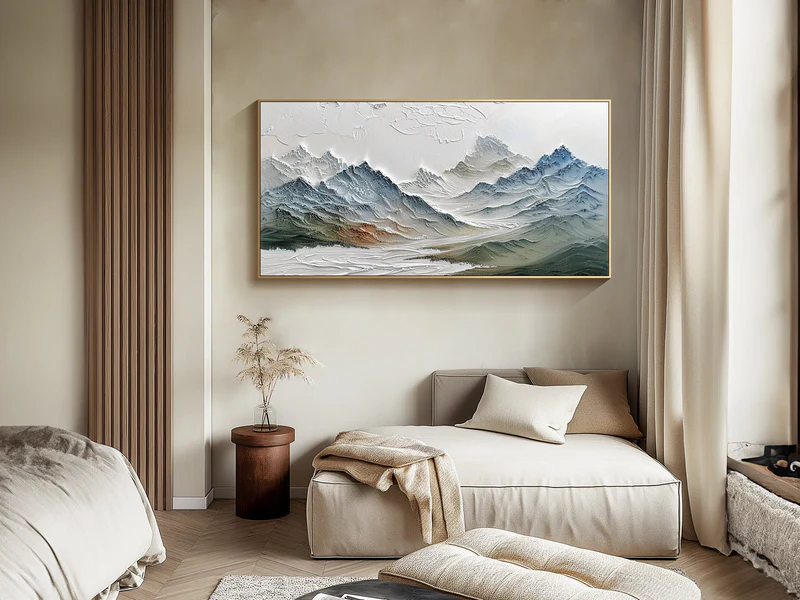
Recommended Sizes for Different Sofa Widths
| Sofa Width | Suggested Artwork Size |
|---|---|
| 72 in | 40–54 in wide |
| 84 in | 50–63 in wide |
| 96 in | 58–72 in wide |
| 108 in | 65–81 in wide |
Why Original Large Textured Wall Art Is Worth the Investment
Original artwork provides more than decoration. It introduces craftsmanship, exclusivity, and emotional resonance that mass-produced décor cannot offer. Many buyers report that a single statement piece elevates the entire room and becomes the most admired feature in their home.
FAQ about Large Textured Wall Art
What is the best size for large textured wall art in a living room?
Choose artwork that spans 60–75% of the width of your sofa or main furniture piece.
Which colors are most popular for textured wall art?
Neutral shades such as white, cream, beige, taupe, and soft gray are the most versatile.
Should textured wall art be framed?
Gallery-wrapped canvases usually look elegant without frames, though floating frames add a polished finish.
Can I order custom large textured wall art?
Yes. Custom commissions allow you to choose size, color, orientation, and texture to suit your space perfectly.
Is large textured wall art suitable for minimalist interiors?
Absolutely. Minimalist textured paintings in neutral tones are especially popular in modern and luxury homes.
How do I maintain textured oil paintings?
Dust gently with a soft microfiber cloth and avoid placing artwork in direct sunlight or high-humidity environments.