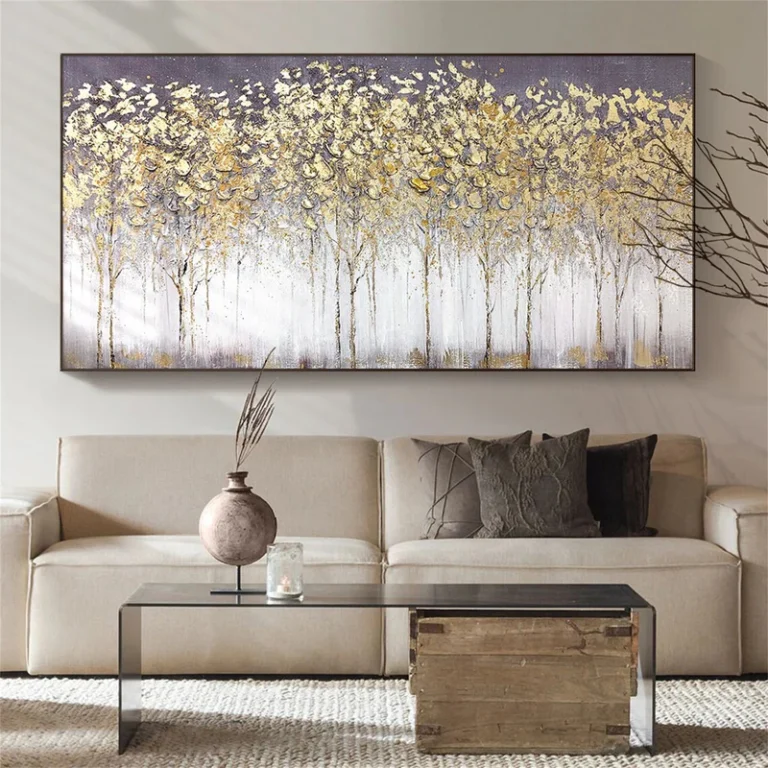
Framing Guide for Oil Paintings: Do You Need a Frame and How to Choose One?
When displaying original artwork, one of the most common questions collectors ask is whether they need a frame for oil paintings and how to choose the right one. A well-selected frame can elevate the appearance of your artwork, protect the canvas, and complement your interior design. However, not every oil painting requires framing, especially Textured Wall Art and gallery-wrapped pieces. This framing guide for oil paintings explains when a frame is necessary, how to choose the best frame, and the practical benefits of framing your artwork correctly.

Understanding Framing for Oil Paintings
Do Oil Paintings Need a Frame?
The answer depends on the painting’s style, depth, and presentation.
Oil Paintings That Usually Need a Frame
- Traditional oil paintings on stretched canvas
- Canvas paintings with visible staple edges
- Smaller paintings intended for classic interiors
- Works on canvas board or panel
Oil Paintings That Often Do Not Need a Frame
- Gallery-wrapped canvases with finished edges
- Contemporary textured wall art
- Minimalist and modern paintings
- Large-scale statement pieces
Types of Frames for Oil Paintings
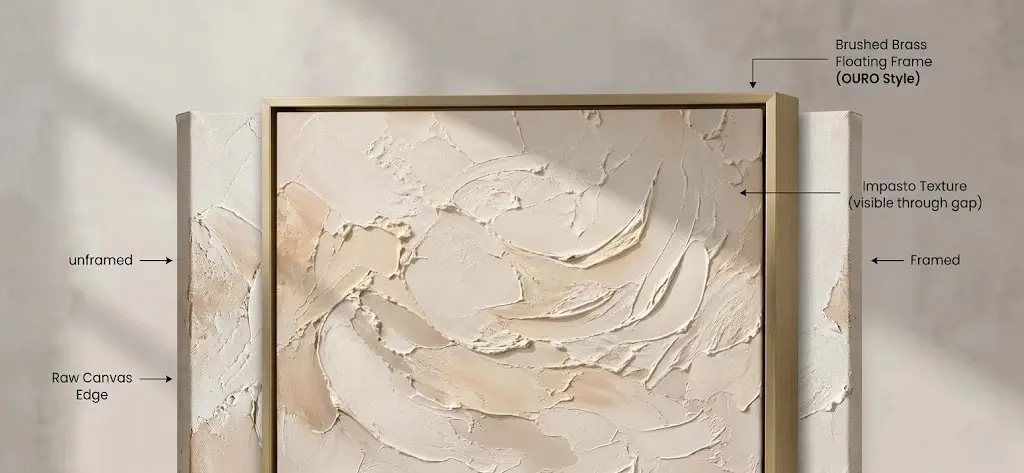
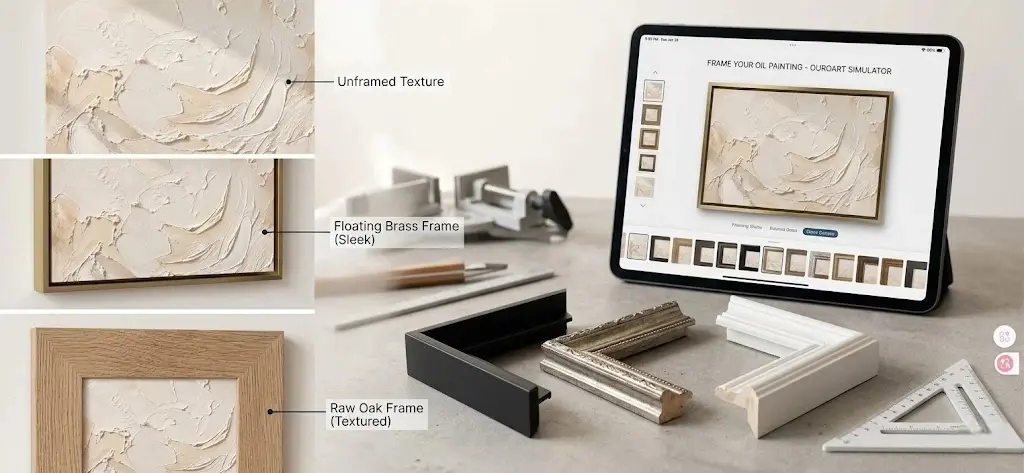
Floating Frames
A floating frame surrounds the canvas without covering the edges. This is the most popular option for modern and minimalist original art.
Traditional Frames
These decorative frames overlap the canvas edges and are ideal for classic or ornate interiors.
Shadow Box Frames
Used for heavily textured paintings that need extra depth and protection.
Frameless Presentation
Suitable for professionally finished gallery-wrapped canvases with painted sides.
Common Questions About Framing Oil Paintings
1. Will a Frame Protect My Oil Painting?
Yes. A frame offers several forms of protection:
- Reduces accidental damage to canvas edges
- Minimizes dust accumulation
- Prevents corner dents during handling
- Adds structural support for large canvases
2. What Color Frame Works Best for Oil Paintings?
Neutral frame colors are the most versatile:
- Natural oak for warm and organic interiors
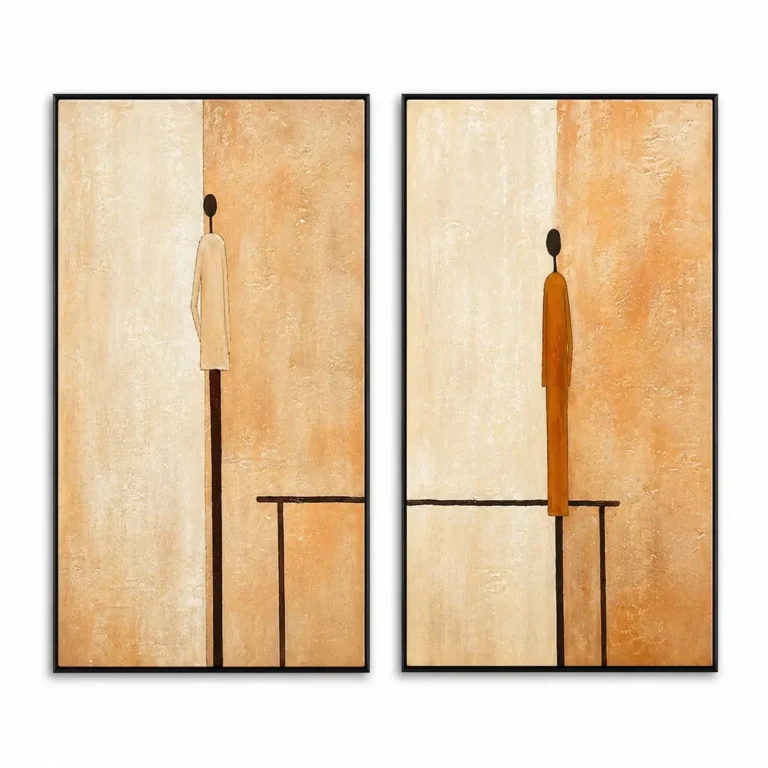
- Matte black for modern contrast
- White for bright, minimalist spaces
- Champagne or brushed gold for elegant settings
Benefits of Framing Oil Paintings
Enhances Visual Impact
A carefully chosen frame gives the artwork a finished, gallery-quality presentation.
Complements Your Interior Design
The right frame helps the painting blend seamlessly with your furniture, flooring, and wall colors.
Protects Your Investment
Framing preserves original art and reduces wear over time.
Increases Perceived Value
Professionally framed original paintings often appear more refined and luxurious.
Makes Large Art Feel More Sophisticated
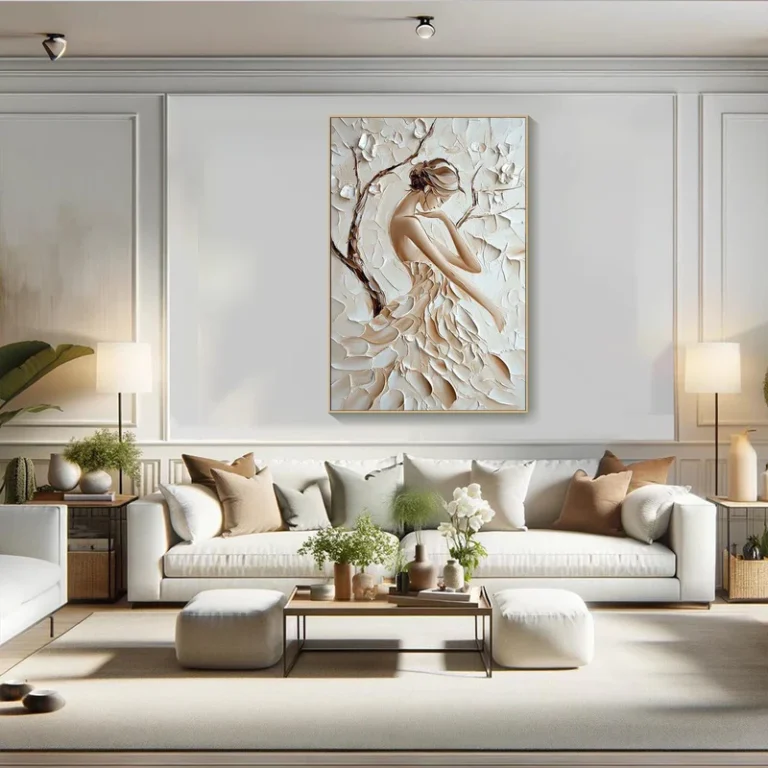
For large textured wall art and modern minimalist paintings, floating frames create a premium museum-style effect.
How to Choose the Perfect Frame for Oil Paintings
Step 1: Determine Whether Framing Is Necessary
Check if your artwork is gallery-wrapped with painted edges. If so, framing is optional.
Step 2: Measure Canvas Depth
Most floating frames are designed for canvases that are 1.25 to 1.5 inches deep.
Step 3: Match the Frame to Your Interior Style
| Interior Style | Recommended Frame |
|---|---|
| Modern Minimalist | Matte black, white, natural oak |
| Luxury Contemporary | Champagne gold, brushed brass |
| Rustic Organic | Walnut, oak |
| Classic Traditional | Ornate gold or wood |
Step 4: Consider the Painting’s Color Palette
Choose a frame tone that complements dominant colors rather than matching them exactly.
Step 5: Select the Appropriate Width
- Thin frames for minimalist paintings
- Medium-width frames for most artworks
- Wider frames for large statement pieces
Step 6: Ensure Proper Spacing
Floating frames should leave a small gap between the canvas and frame edge.
Step 7: Use Professional Installation
Large oil paintings should be securely fitted and mounted.
Real-World Results of Proper Framing
Result 1: Modern Minimalist Artwork Gains Gallery Presence
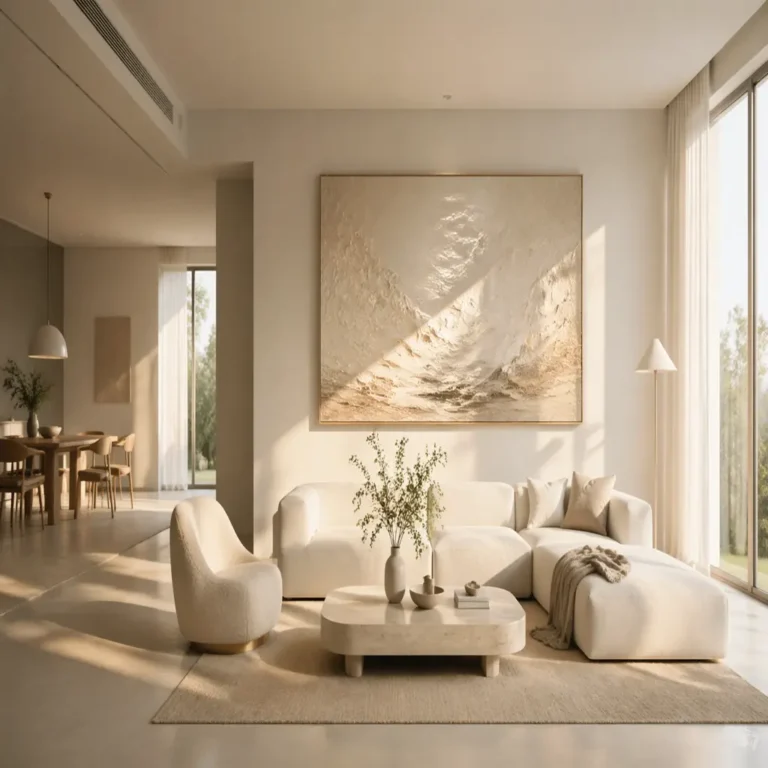
A neutral oak floating frame transformed a textured abstract painting into a high-end focal point in a contemporary living room.
Result 2: Large Wall Art Appears More Luxurious
A champagne frame added sophistication and increased the visual impact of a 60 x 90 inch original oil painting.
Result 3: Collectors Enjoy Better Long-Term Preservation
Framed artworks maintained cleaner edges and experienced less handling damage during relocation.
Best Frame Recommendations for Different Oil Paintings
Textured Abstract Paintings
Floating frames in oak, walnut, or champagne tones.
Traditional Landscape Paintings
Classic wood or ornate gold frames.
Minimalist Neutral Art
Thin matte black or warm wood frames.
Oversized Original Art
Substantial floating frames for a polished, gallery-inspired presentation.
Final Thoughts
Whether you need a frame for oil paintings depends on the artwork’s style and your design preferences. Gallery-wrapped contemporary paintings can look stunning without frames, while floating frames add a luxurious finishing touch. By considering your interior style, painting size, and color palette, you can choose a frame that enhances both the beauty and value of your original art.
Frequently Asked Questions (FAQ)
Do all oil paintings need a frame?
No. Gallery-wrapped and modern paintings often look excellent without a frame.
What is the best frame for modern oil paintings?
Floating frames are the most popular choice for modern and textured original artwork.
Can heavily textured oil paintings be framed?
Yes. Floating frames and shadow box frames work particularly well for textured pieces.
What frame color is most versatile?
Natural oak, matte black, and champagne are among the most versatile options.
Is it better to buy art already framed?
Pre-framed artwork is convenient and ensures the frame is professionally matched to the painting.
Does framing increase the value of original art?
Framing does not directly increase market value, but it significantly improves presentation and protects the artwork over time.