Why Large Textured Wall Art Is Worth the Investment?
Large textured wall art is increasingly becoming a centerpiece in modern homes. Its dynamic surfaces, depth, and visual intrigue make it a compelling investment for homeowners and art enthusiasts alike. In this article, we will explore why large textured wall art is worth the investment and how it can enhance your living space.
1. Understanding Large Textured Wall Art
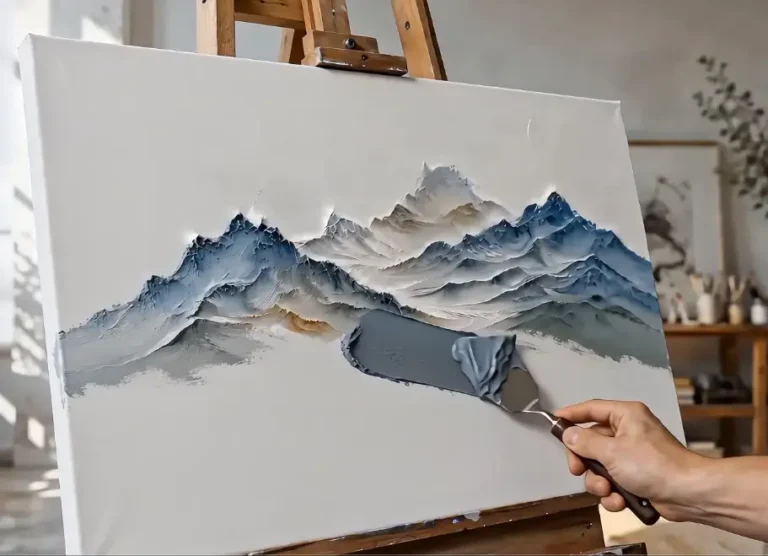
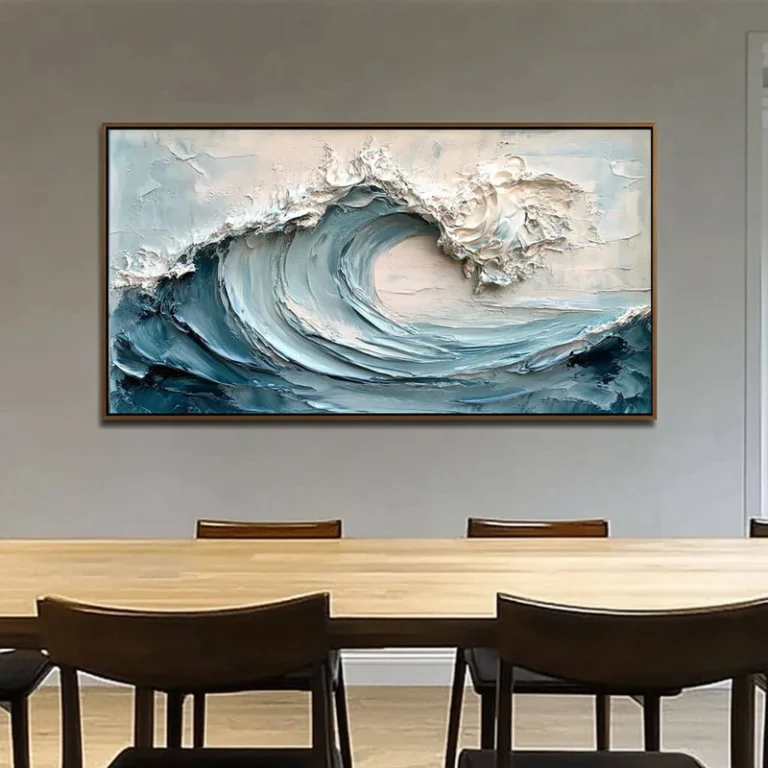
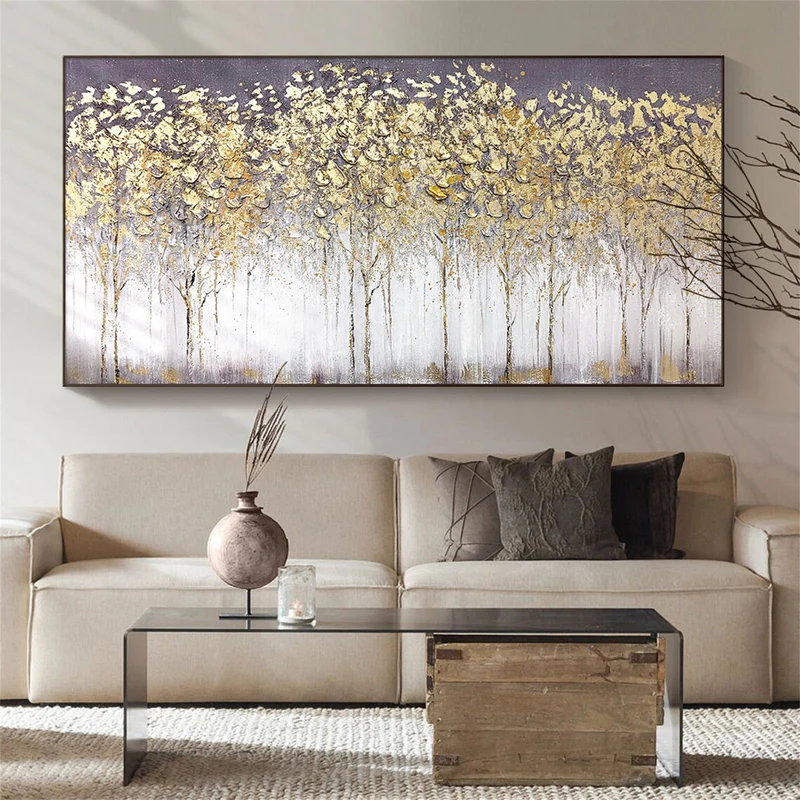
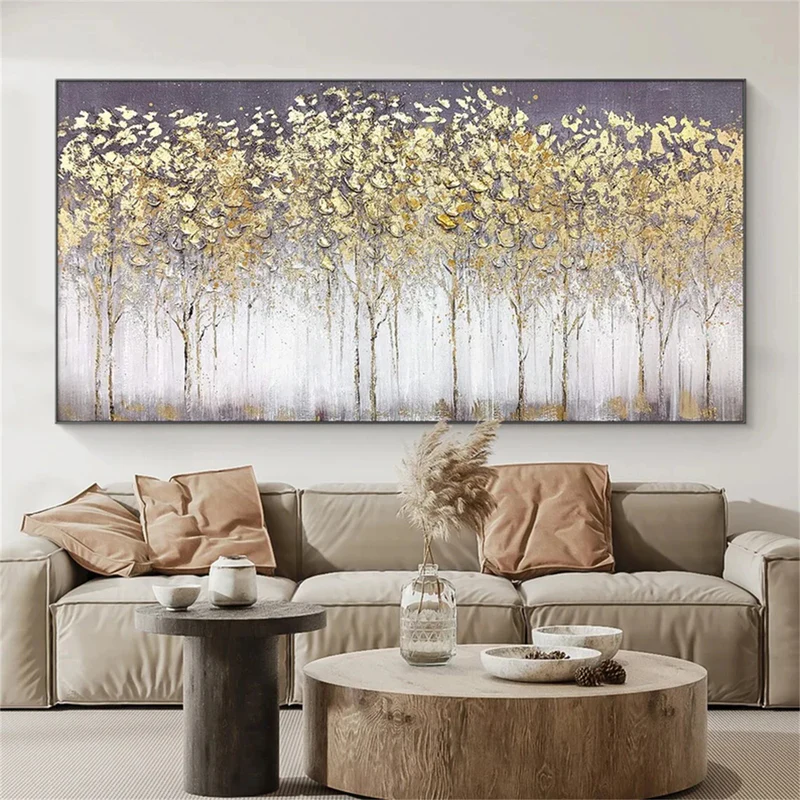
Large textured wall art refers to paintings or mixed media pieces that feature raised surfaces, heavy brushstrokes, or layered materials, often spanning significant wall space. Unlike flat prints or posters, these artworks create a tactile, multi-dimensional experience that interacts with light and perspective.
Key characteristics include:
- Size and Scale: Covers a large area of wall space, becoming a focal point.
- Texture and Depth: Brushstrokes, palette knife applications, and mixed media give depth and movement.
- Originality: Many pieces are handmade, ensuring uniqueness.
These elements combine to create a work that commands attention and adds a sophisticated, luxurious feel to a room.
2. Common Questions About Large Textured Wall Art
Q1: Is large textured wall art suitable for all room types?
A1: Yes, it can work in living rooms, bedrooms, offices, or even commercial spaces. The key is balancing scale with room size: larger pieces suit spacious walls, while smaller textured pieces complement more compact areas.
Q2: Does investing in large textured wall art justify the cost?
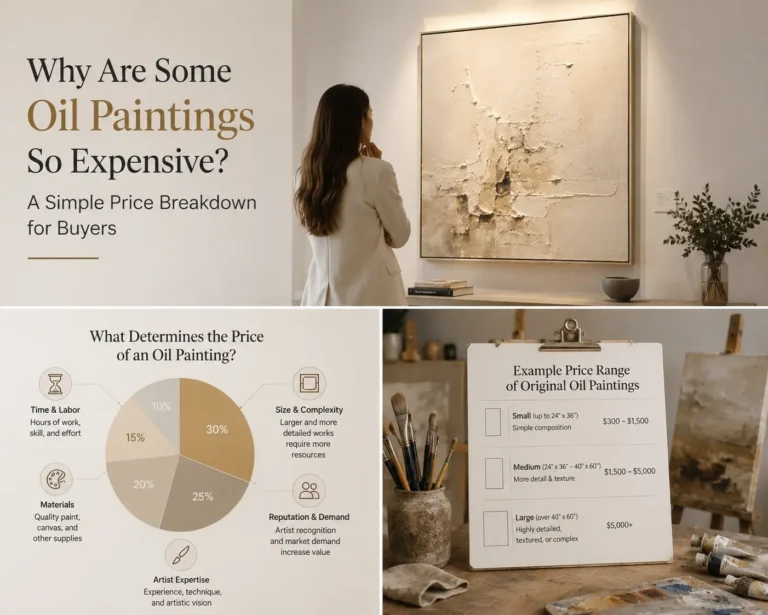
A2: Absolutely. Unlike prints, large textured pieces are often handmade, using high-quality materials. Their uniqueness, combined with their ability to elevate interior aesthetics, means they retain or even increase in value over time.
3. Benefits of Investing in Large Textured Wall Art
Investing in large textured wall art offers several advantages:
- Aesthetic Impact: Creates an instant focal point that defines the room’s style.
- Long-Term Value: Handmade and high-quality artworks often appreciate over time.
- Emotional Connection: Textured surfaces and dynamic colors evoke stronger emotional responses than flat artworks.
- Customizable Presence: They can match personal taste, color schemes, and room functionality.
4. How to Select and Invest in Large Textured Wall Art
Step 1: Measure Your Space
Determine wall dimensions to ensure the artwork fits proportionally. Large pieces should dominate without overwhelming.
Step 2: Consider Material & Technique
Choose pieces with high-quality oils, acrylics, or mixed media. Look for strong texture, clear technique, and durable materials.
Step 3: Assess Artistic Value
Review the artist’s portfolio, reputation, and uniqueness of the work. Handmade textures increase value and exclusivity.
Step 4: Evaluate Color & Room Harmony
Select artwork that complements your room’s palette, lighting, and decor. Large textures reflect light differently, adding depth to your space.
Step 5: Plan Installation & Maintenance
Large textured art may require special hanging hardware. Ensure you know care instructions to maintain quality over time.
5. Real-World Results
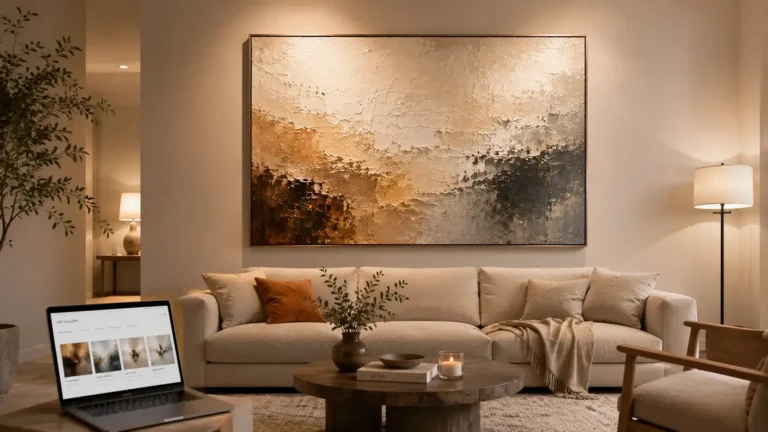
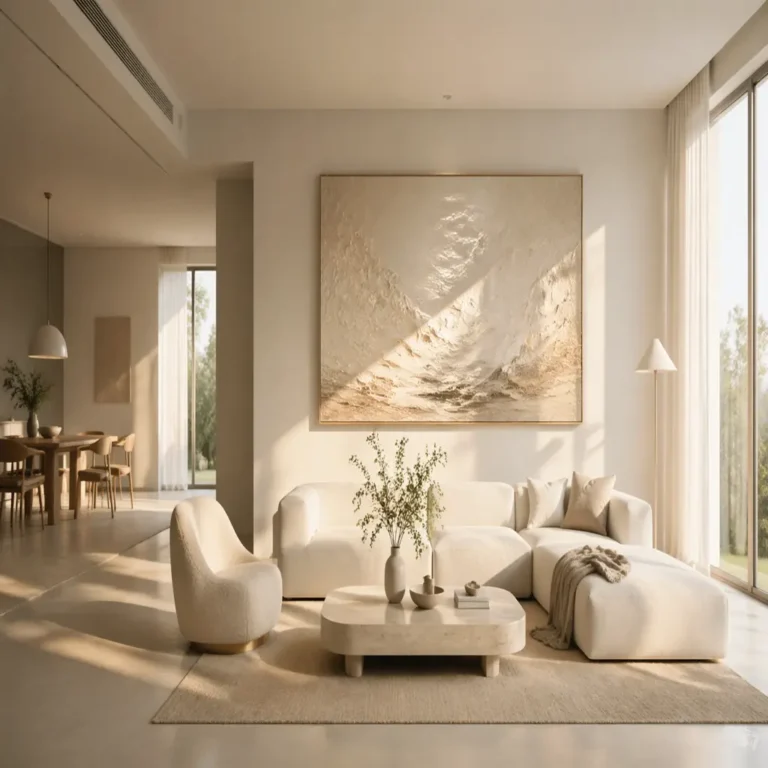
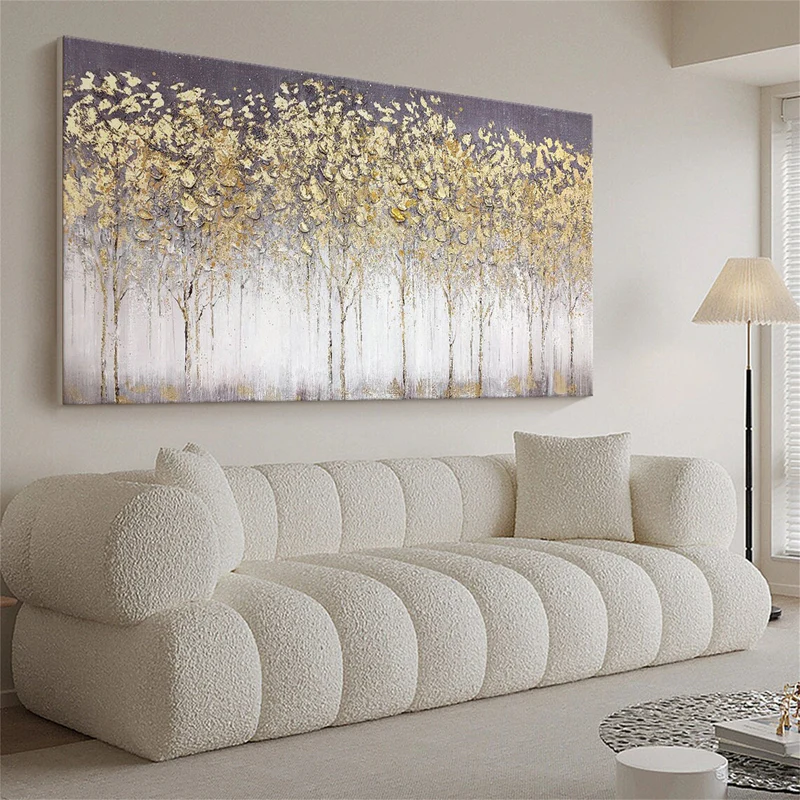
- Living Room Transformation: Adding a 5ft x 4ft textured oil painting can turn a plain wall into a gallery-like focal point, making the space feel more elegant and curated.
- Value Appreciation: Buyers who invested in limited-edition handmade textured art reported pieces increasing in value over 3–5 years.
- Emotional Engagement: Guests frequently commented on the tactile appeal and depth of the textured art, making it a conversation starter.
FAQs
Q1: Can textured wall art be cleaned easily?
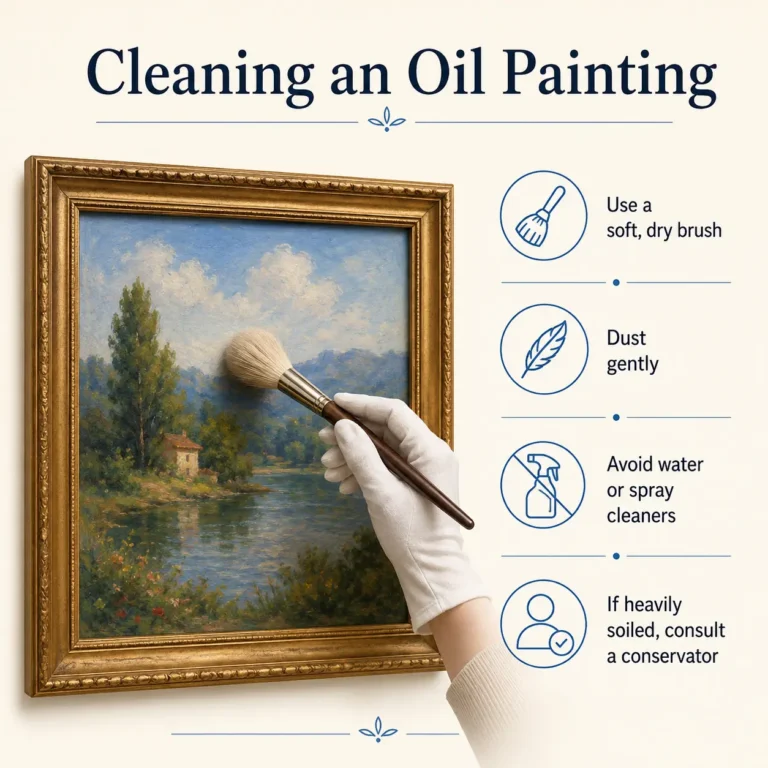
A1: Use dry, soft brushes or microfiber cloths; avoid water on oils and layered textures.
Q2: How do I choose the right size for my room?
A2: Measure your wall and aim for artwork covering 60–75% of visible wall space for visual balance.
Q3: Are textured wall artworks safe investments?
A3: Yes, if purchased from reputable artists or galleries. Handmade pieces tend to maintain or increase value.